
When a Fire Destroys Everything: Why Understanding Your Property Contents Coverage Matters
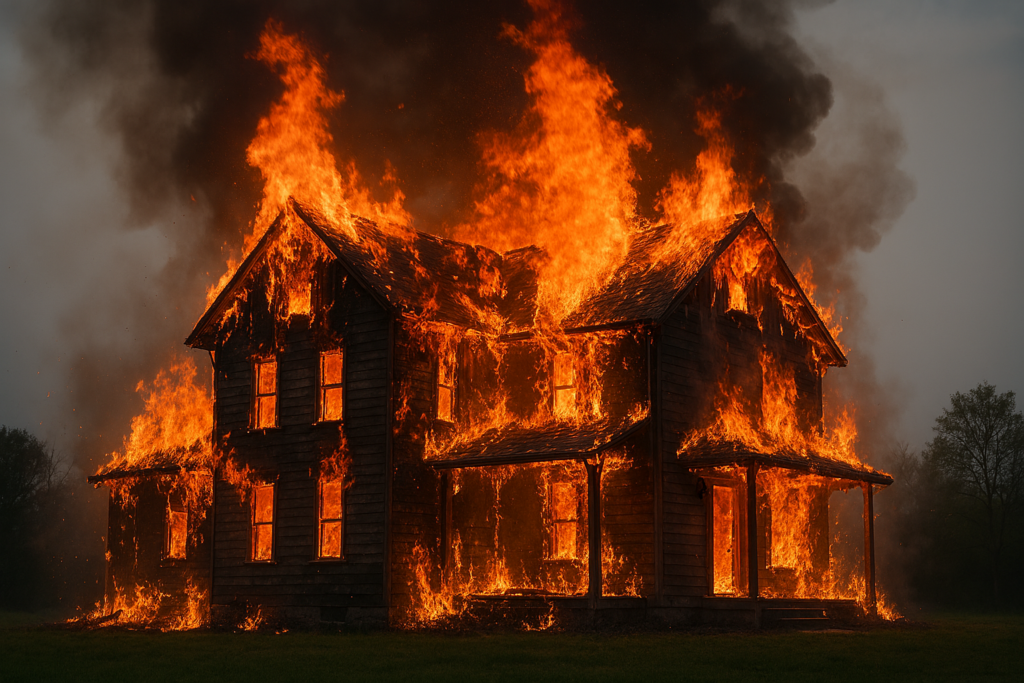
When most people think about homeowners insurance, they think about the house itself – the walls, the roof, the structure. But after a total loss, it’s often what’s inside the home that creates the most stress, confusion, and financial strain. A recent central Ohio fire (https://abc6onyourside.com/news/local/house-fire-survivor-bernie-jackson-justin-road-running-low-on-allstate-insurance-funds-could-be-left-homeless) serves as a powerful reminder of why understanding your personal property (contents) coverage is just as important as insuring the home itself. In the ABC 6 News report, a homeowner escaped a late night house fire but lost nearly everything he owned. While his insurance policy did provide funds for temporary housing, the reality of replacing everyday belongings – furniture, clothing, electronics, household items – quickly became overwhelming. Like many homeowners, he believed he had strong coverage. What he didn’t realize until after the fire was how coverage limits, item valuation, and documentation requirements would affect his claim.
What Is “Personal Property” Coverage?
Personal property (also called contents coverage) is the part of your homeowners or renters insurance that covers the items inside your home, such as:
• Furniture
• Clothing and shoes
• Electronics and TVs
• Appliances
• Kitchenware
• Décor and personal items
In most policies, this coverage is limited to a percentage of your dwelling limit, not an unlimited amount. That means if the total value of your belongings exceeds that limit, you may be responsible for the difference.
The Challenge of Itemizing After a Loss
One of the most difficult parts of a total loss claim is itemization.
After a fire, policyholders are often required to list:
• Each item lost
• When it was purchased
• How much it cost
• What it would cost to replace today
Trying to remember hundreds or even thousands of items – while displaced from your home – can be emotionally and mentally exhausting. Without documentation or a prior inventory, many people underestimate the value of what they owned.
This is where expectations and reality can diverge quickly.
Actual Cash Value vs. Replacement Cost
Another common point of confusion is how items are valued:
• Actual Cash Value (ACV): Pays the depreciated value of items
• Replacement Cost: Pays what it costs to replace the item today (without depreciation)
If your policy only includes ACV coverage on contents, reimbursement amounts may be significantly lower than expected. What you paid years ago — or what it costs now — may not be what the policy pays.
Why Reviewing Coverage Before a Loss Matters
Insurance works best when there are no surprises after a claim.
Before a loss happens, homeowners should:
• Review their personal property limits
• Understand how items are valued
• Consider replacement cost coverage
• Ask whether special items (jewelry, collectibles, electronics) need additional coverage
• Create and store a home inventory (photos, videos, or an app)
These steps can make a dramatic difference in both the outcome of a claim and the stress level during recovery.
Our Advice to Clients
At our agency, we encourage clients to ask questions before disaster strikes:
• “How much coverage do I actually have for my belongings?”
• “Is this replacement cost or actual cash value?”
• “Would my coverage be enough if I lost everything?”
A homeowners policy isn’t one size fits all. What works for one household may not be adequate for another.
We’re Here to Help
Fires and total losses are devastating – emotionally and financially. While insurance can’t undo the trauma, having the right coverage and understanding how it works can prevent added hardship during an already difficult time.
If you haven’t reviewed your contents coverage recently, or if you’re unsure how your policy would respond in a total loss, we’re happy to walk through it with you.
A short conversation today can make a life changing difference tomorrow.